-
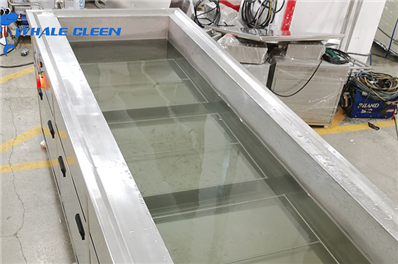 How to Disable Heating in Ultrasonic Cleaners: A Comprehensive Guide
I. Reasons to Disable Heating 1. Application Scenarios Temperature-sensitive materials: Plastics (deformation risk above 50°C) Biological samples (prot
-
 Why Can't Ultrasonic Cleaners Use Thin Steel Sheets? - An Engineering Analysis of Resonance Principles and Material Selection
In the field of industrial manufacturing and equipment material selection, a fundamental principle is: "The right material for the right application." For ultrasonic cleaners, the choice of material for their core working component—the tank that
-
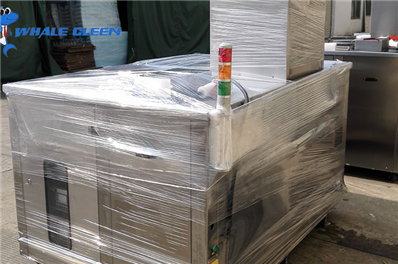 Prolonging the Service Life of Ultrasonic Cleaning Machines: Expert Maintenance Strategies for Cleaning Tools
Ultrasonic cleaning machines play a crucial role in various industries, offering efficient and precise cleaning solutions. To ensure their optimal performance and prolong their service life, a series of maintenance measures need to be implemented. This ar
-
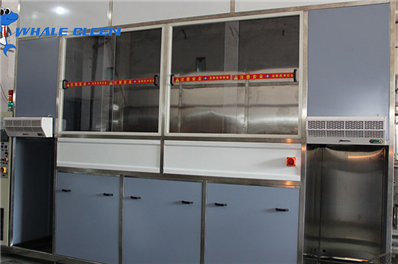 Elevating Industrial Seal Performance and Lifespan through Ultrasonic Cleaning
Cleaning industrial seals is a pivotal process that holds the key to improving their sealing performance and overall lifespan. The utilization of ultrasonic cleaning machines to eliminate contaminants and particles from the metal surfaces of industrial se
-
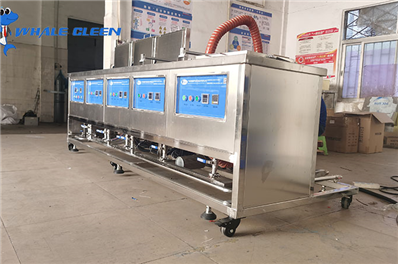 Ensuring Equipment Safety: Ultrasonic Cleaning for Metal Safety Valves
Cleaning metal safety valves is crucial to ensure the proper functioning and safety performance of industrial equipment. Safety valves play a critical role in industrial processes, as they automatically release excess pressure when system pressures exceed
-
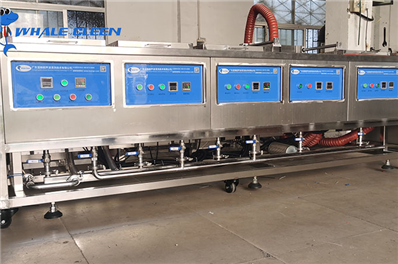 Ultrasonic Cleaning for Metal Printing Machine Components: Ensuring Print Quality and Equipment Reliability
Cleaning metal printing machine components is an essential step to ensure printing quality and equipment reliability. During the printing process, metal parts can accumulate ink residues, oil, and other impurities, which can negatively impact print qualit
-
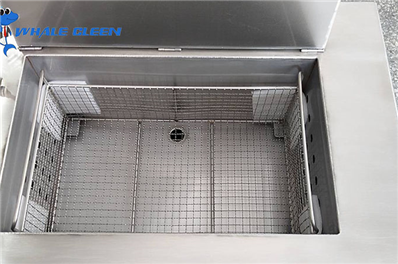 Advancements and Applications of Ultrasonic Cleaning Machines in the Defense Industry
Ultrasonic cleaning machines have found widespread applications in the defense industry, providing efficient and reliable solutions for cleaning and maintenance of military equipment. Their non-contact, high-performance cleaning capabilities make them ide
-
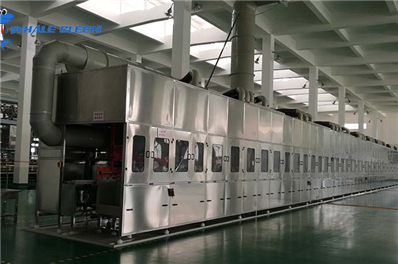 Ultrasonic Cleaning Machine Solves High-Volume Mold Release Oil and Oxidation Scale Cleaning
Manual wiping consumes labor hours, and when facing large batches of workpieces with mold release oil and oxidation scale, it quickly becomes overwhelming. In die-casting, forging, stamping, and machining operations, parts often leave production with a co
-
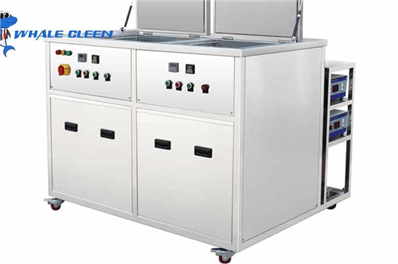 Stuck with Grinding Dust Embedded in Batch Workpiece Crevices? Manual Cleaning Is Draining Your Labor Budget and Driving Production Costs Through the Roof
Walk into any metalworking shop, stamping plant, or machining facility, and you will see the same scene repeated shift after shift: workers hunched over parts bins, scrubbing with brushes, picking at crevices with picks, blowing compressed air into blind
-
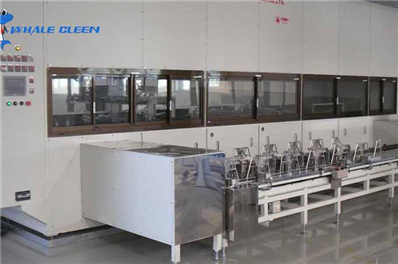 Same Ultrasonic Cleaning, Why Are Some Aerospace Fastener Yield Rates So Much Higher?
In aerospace manufacturing, few quality metrics are as unforgiving as fastener cleanliness. A single micro-fastener — a titanium alloy bolt, a high-strength steel screw, a threaded insert — can carry cutting fluids, lapping compounds, or microscopic metal
-
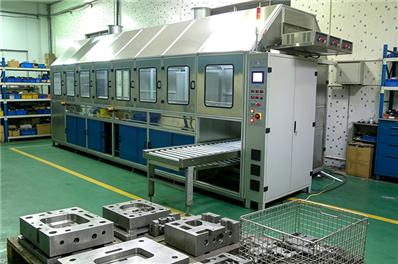 No Harsh Chemicals? How to Achieve Micron-Level Cleanliness for Nickel-Plated Substrates
You've dialed in the nickel plating bath chemistry. The temperature is right, the current density is optimized, and the dwell time is precisely controlled. Yet the plating still blisters. The cross-hatch test fails. The adhesion just isn't there.T
-
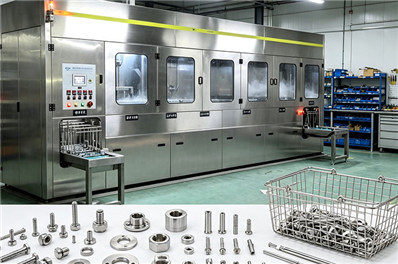 Breaking the Cleaning Bottleneck in Nickel and Gold Plating Lines with Whale cleen Ultrasonic Technology
In high-value surface finishing shops, nickel and gold plating lines demand the highest levels of surface cleanliness. A single fingerprint, a microscopic film of stamping oil, or a speck of polishing compound left on a component will manifest as blisteri